Contact Us
PERTH TAILORING CO. · EST. 1982

Clothing
Alterations
Perth

An alterations shop changes the garment. A tailoring house understands how it was made.

PERTH TAILORING CO. · EST. 1982

Clothing Alterations Perth

An alterations shop changes the garment. A tailoring house understands how it was made.

There is a fundamental difference between a conventional alterations shop and Perth Tailoring Co.

Most alteration businesses are built around a straightforward service: fitting, shortening, taking in and sewing garments. Their equipment, workspace and staff are organised to perform those adjustments efficiently.

There is nothing wrong with that. It is what those businesses were established to do.

Perth Tailoring Co was built to do something considerably more.

Established in 1982, our family tailoring house has developed through three generations of working tailors, bringing together master pattern cutters, specialist garment technicians, dressmakers, machinists and finishing specialists within one Perth workroom.

That distinction is important.

01 / THE MACHINIST

A machinist understands how a garment is sewn.

02 / THE PATTERN CUTTER

A pattern cutter understands how a garment is shaped and constructed.

03 / THE TAILORING HOUSE

A specialist tailoring house brings those disciplines together to understand how a garment can be reshaped for the individual without losing the character of its original design.

A conventional alterations shop does not need the infrastructure of a complete tailoring house to shorten a pair of trousers. Dedicated cutting tables, pattern-making facilities and specialist departments require space, equipment and expertise beyond the needs of routine alterations.

At Perth Tailoring Co, that infrastructure was not created overnight. It developed alongside the family's experience in tailoring, garment design and manufacturing, growing over decades into the working house it is today.

And that knowledge makes a difference, even to the simplest garment.

When we shorten a pair of jeans, we can consider more than where the new hem should finish. We understand how changing the length may affect the leg's taper, knee position and overall proportion.

When we reshape a jacket, we consider more than how much fabric to remove. We understand how the alteration may affect its balance, structure and silhouette.

The difference is not simply in how the garment is sewn. It is in the knowledge guiding the alteration before the sewing begins.

From everyday jeans and trousers to complex garment reconstruction, Perth Tailoring Co brings the technical knowledge of a complete tailoring house to the clothes you wear.

ALTERATION SERVICES

Every garment presents a different question.

You don't need to know the technical name of the alteration you require.

Simply bring your garment in, show us what you would like to change, and our team will assess the most appropriate approach.

From shortening a pair of jeans to correcting the balance of a tailored jacket, we apply the knowledge of garment construction and proportion to the work at hand.

Jeans alteration at Perth Tailoring Co
01 / TROUSERS & JEANS

A better fit begins with proportion.

Hemming, shortening, waist and seat adjustments, tapering and reshaping. We consider how changes to length and width affect the leg's original silhouette, knee position and overall proportion.

Even a simple alteration deserves an understanding of the garment.

Tailored suit jacket

Jackets & Suits

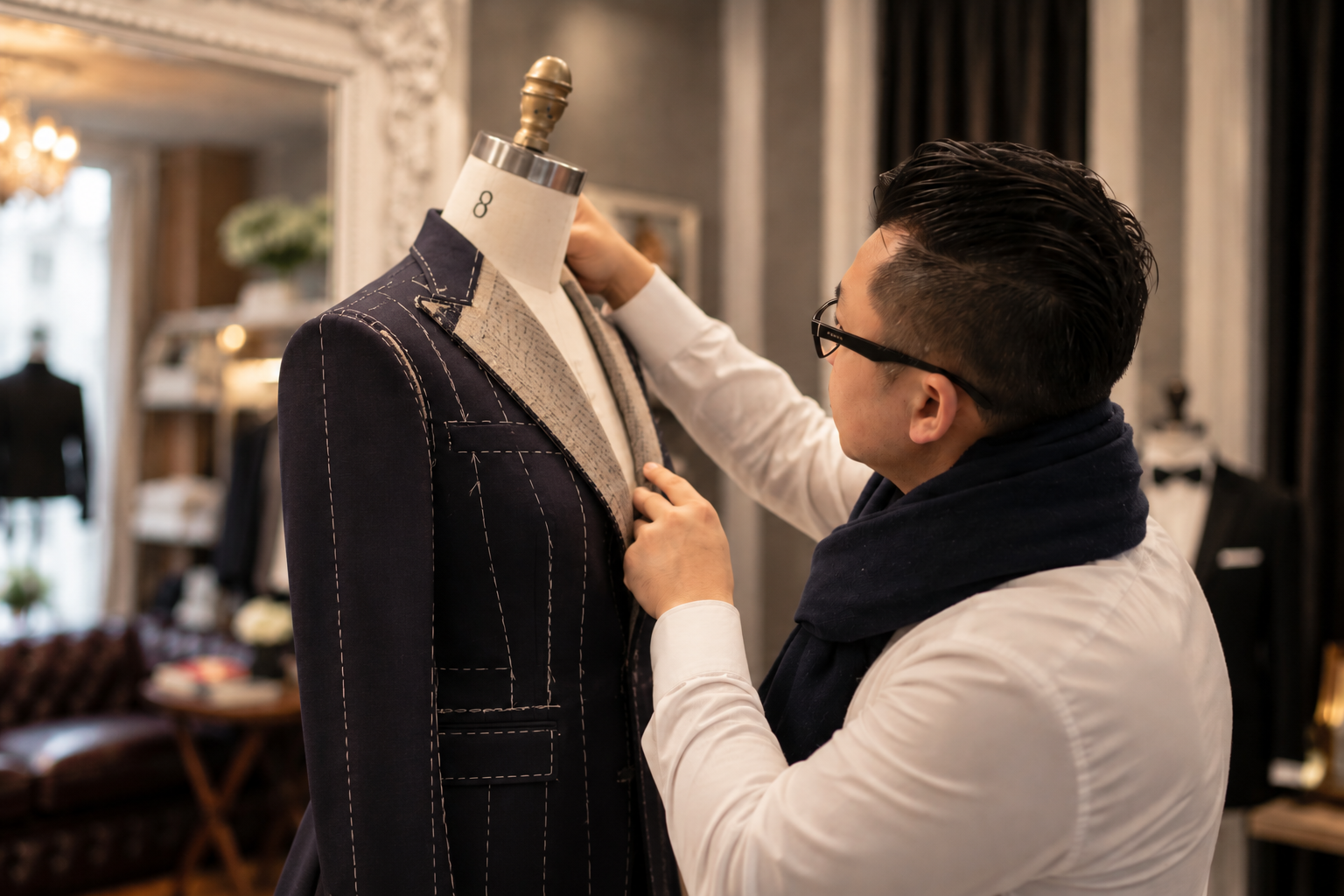
Sleeve length, waist suppression, jacket shaping, collar and shoulder corrections, posture and balance adjustments. More involved alterations may require pattern-cutting knowledge and structural reconstruction.

Shirt alterations

Shirts

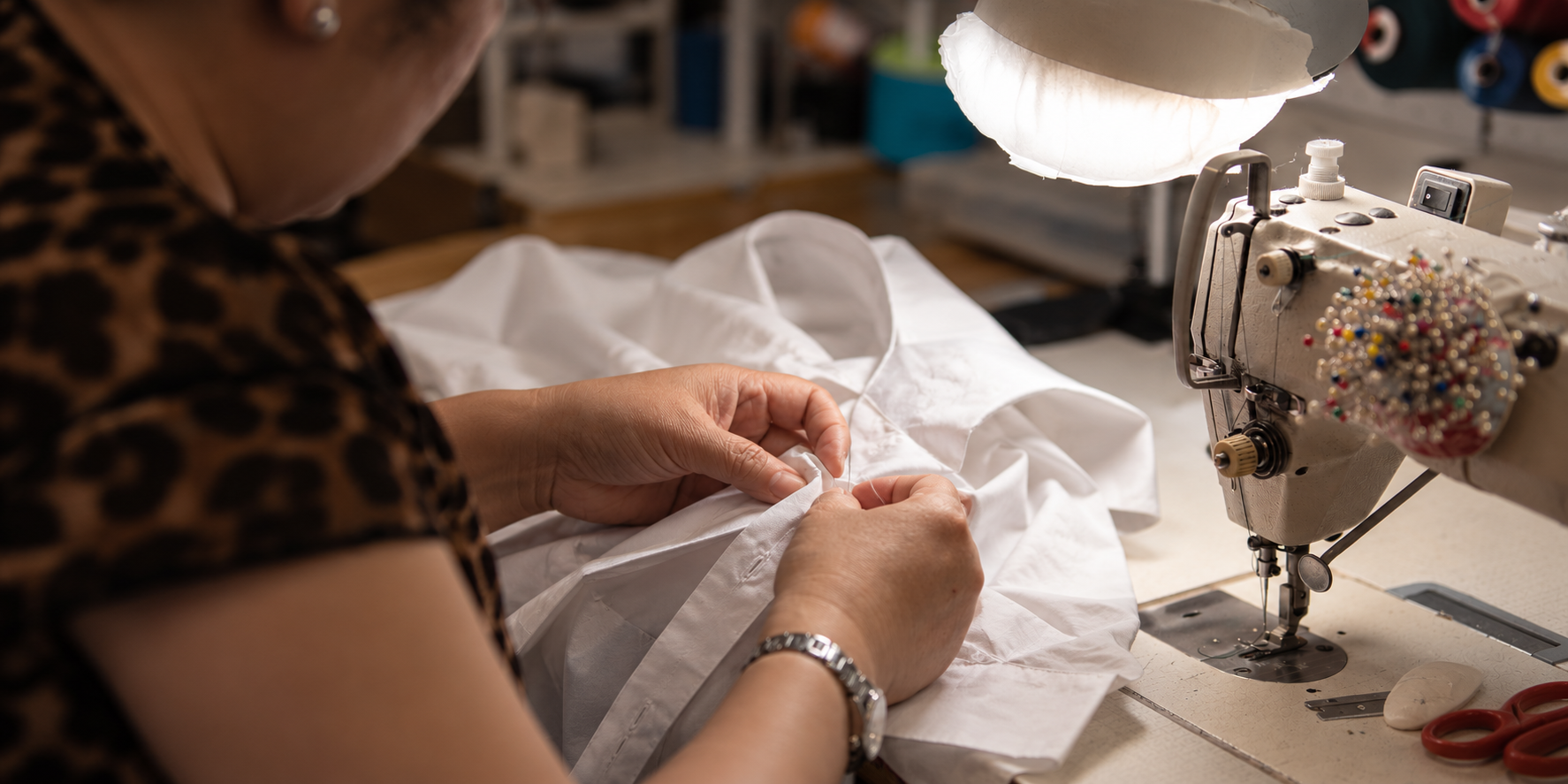
Sleeve shortening, body shaping, darts, length and fit adjustments, with consideration for the shirt's original proportions and construction.

Dress alteration assessment

Dresses & Skirts

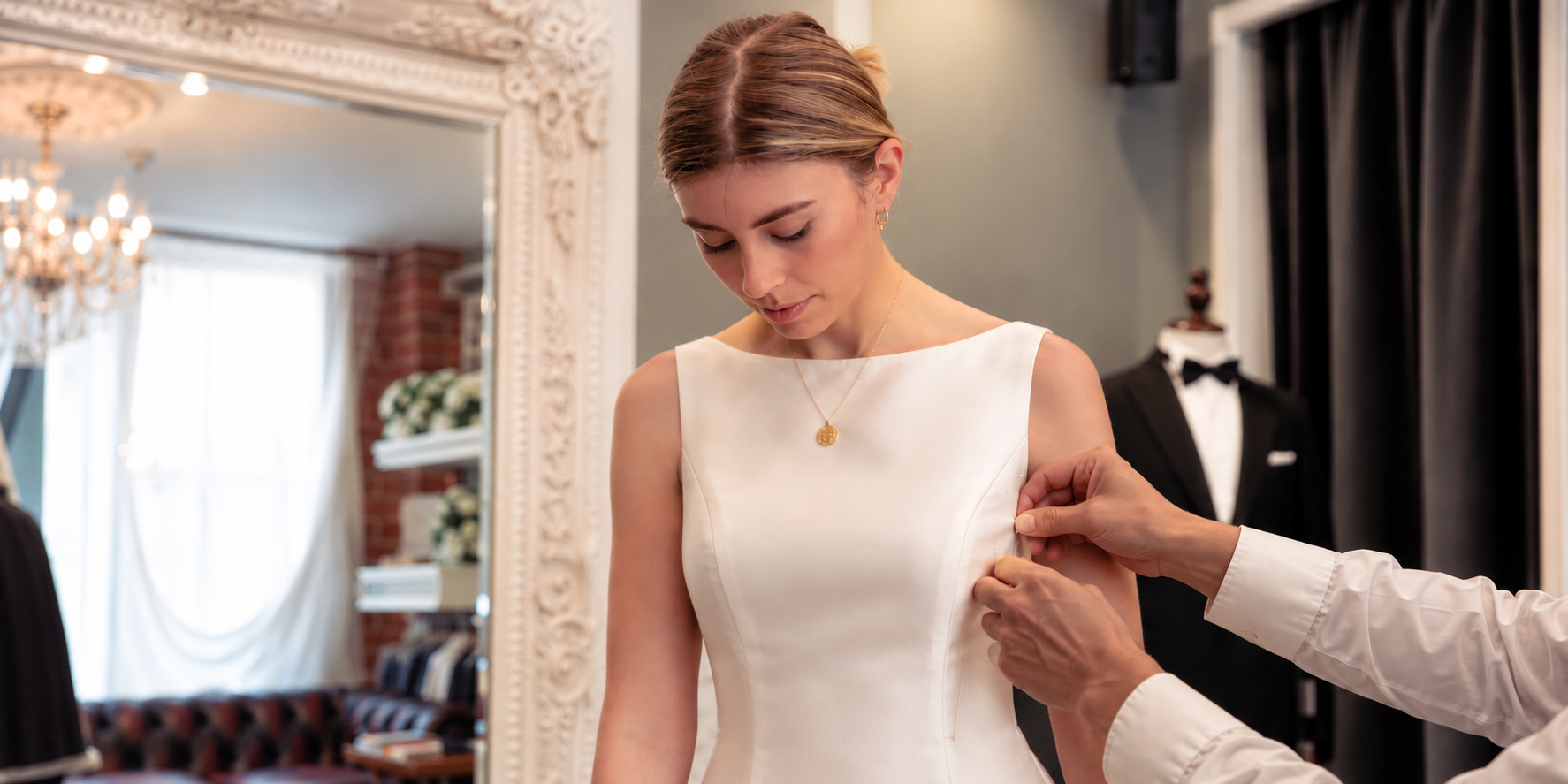
Length, fit and silhouette adjustments, from everyday garments to structured formalwear. Delicate fabrics, linings and specialist construction are assessed individually.

Tailored coat

Coats & Outerwear

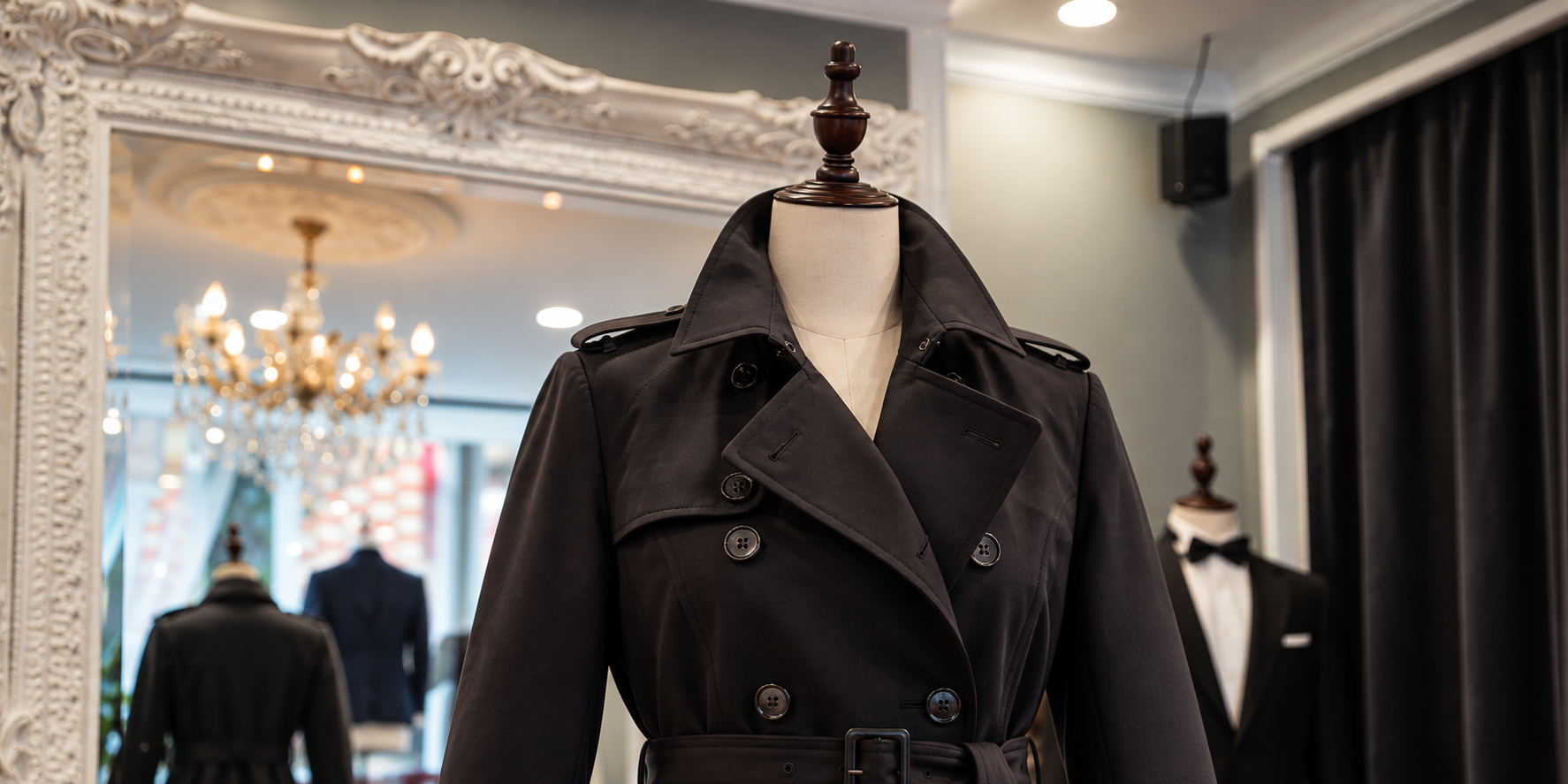
Alterations to tailored coats, overcoats and outerwear, including sleeve adjustments, shaping, repairs and work involving linings or internal structure.

SPECIALIST WORK

Alterations & Reconstruction

Complex garment reshaping, leather alterations, bridalwear, lace, embroidery and specialist handwork are supported by the relevant technicians within our workroom.

Where a garment requires substantial reconstruction, we assess its feasibility before recommending the work.

FIT, BALANCE & PROPORTION

Changing size is not always the same as correcting fit.

A garment is more than a collection of measurements.

Its character lies in the relationship between its lines, proportions, structure and the way the fabric behaves on the body.

When a garment is shortened, narrowed or reshaped, those relationships can change.

The challenge is to adapt the garment to the individual while respecting the designer's original intention.

THE TROUSER

Shortening the length changes more than the hem.

A trouser may be shortened, but what happens to the position of the knee? Does the taper still fall in the intended place? Does the proportion between thigh, knee and hem complement the person wearing it?

THE JACKET

Changing the waist can change the silhouette.

Taking in a jacket affects more than its circumference. Shoulder position, posture, waist suppression, balance and internal structure may influence how the finished garment sits and moves.

Good alteration is not simply the removal of excess fabric. It is the preservation, or correction, of the garment's intended balance.

THE FITTING ROOM

The difference begins before a single stitch is sewn.

An alterations store changes what you ask them to change. A tailoring house understands what needs to change to achieve the look you want.

Consider a beautifully tailored pair of trousers. On the model, the proportions are elegant. But you are not built like the model. A conventional alterations store can shorten them perfectly, yet the legs may appear wider and the original silhouette can be lost. The sewing may be faultless. The problem began with the fitting.

At Perth Tailoring Co, fittings are conducted by experienced pattern cutters and tailoring specialists. A pattern cutter is the architect of clothing, trained to design a garment's shape and proportions around the human body.

Think of building a house. The architect designs it; the builder follows the plans. Both are essential, but they do different jobs. Tailoring works the same way.

Most people choose clothing because they love its style, how it looks and how it makes them feel. They know the result they want, but often cannot explain the technical changes needed to achieve it. Nor should they have to.

At a conventional alterations store, this is where the difference becomes apparent. These businesses are generally built around machinists and sewing operators, the builders of the clothing industry, rather than the pattern cutters who design garments. The same person may fit your garment and carry out the sewing. They follow the instructions you provide, but without the training to interpret the design and proportions you have in mind, something important can be lost in translation. The sewing may be good, yet the finished garment may look nothing like you imagined.

At Perth Tailoring Co, we have both the architects and the builders. Our pattern cutters conduct the fittings, assessing your body proportions, discussing the look you wish to achieve and identifying the alterations needed to work towards that result. Once the proposed changes are explained and agreed upon, our specialist machinists carry out the work according to those instructions. The difference is that our clients benefit from specialist design and pattern-cutting knowledge at the fitting stage, before the sewing begins.

The sewing must be accurate. But first, the design and guidance must be right.
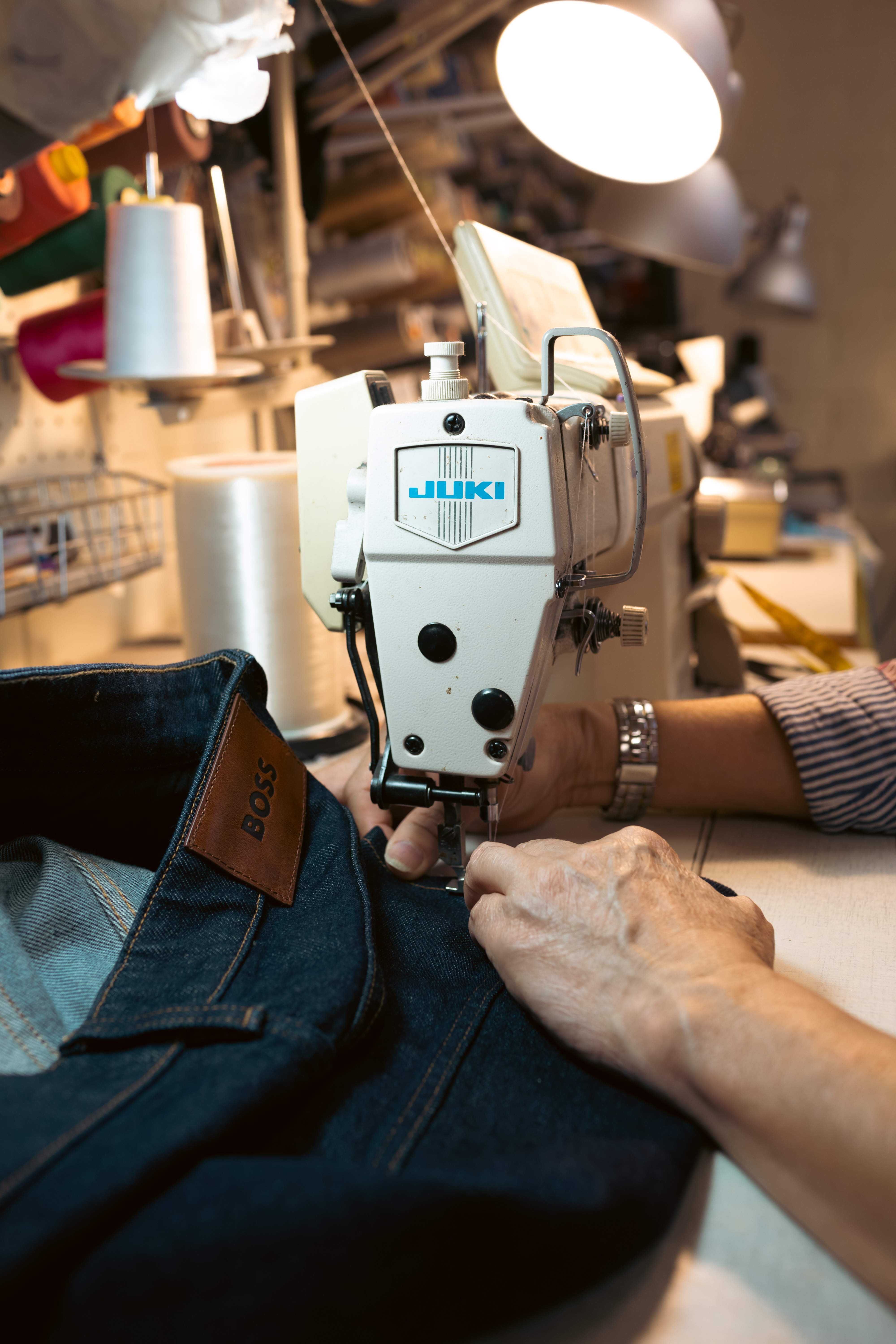
INSIDE THE PERTH WORKROOM

Fitted here.
Altered here.
Finished here.

At a conventional alterations store, the process is often straightforward: fit the garment, pin the adjustment, sew it and prepare it for collection.

Perth Tailoring Co operates differently. Behind our fitting rooms is a complete tailoring workroom, bringing together pattern cutters, specialist machinists, garment technicians and independent quality control.

Every garment enters an organised system of assessment, preparation, workmanship and inspection. More complex alterations pass through additional specialist stages, with each technician responsible for their part of the process.

From a favourite pair of jeans to a finely constructed jacket, the same principle applies: the garment deserves the care appropriate to its construction and the work required.

The difference is not simply what we can alter. It is the knowledge, people and processes behind the work.

01

Technical fitting & documentation

The process begins with a fitting conducted by a pattern cutter or appropriate tailoring specialist. Rather than simply recording how much fabric to remove, we consider the client's proportions, the garment's original design and the intended result. Measurements, reference points, photographs where required and agreed alteration instructions are recorded under the garment's job number, providing clear guidance for the workroom.

02

Assessment & specialist allocation

Not every garment requires the same expertise. A pair of jeans, a structured suit jacket, a delicate evening garment and a leather motorcycle suit each present different technical requirements. We assess the construction, materials and complexity of the alteration before allocating the work to the appropriate specialist. The person best suited to the work is the person entrusted with it.

03

Preparation & material matching

Even the smallest details deserve attention. Before sewing begins, we examine the garment's original stitching, thread colours, materials and construction. Where necessary, thread colours are checked using our scanning equipment and matched against available stock. If the appropriate colour or material is unavailable, it may be ordered specifically for the garment, with the client contacted where necessary. Original stitching, decorative details, prints and fabric patterns may also be photographed and recorded. The objective is simple: an alteration should respect the details that made the garment what it was.

04

Pattern preservation & deconstruction

Before a garment is taken apart, we consider what must be preserved. Original seam positions, pattern alignment, stitching details and construction references may be photographed and stored against the job number, allowing the relevant technicians to consult them throughout the work. Where required, the garment is measured, marked and temporarily hand-stitched to establish the intended shape before permanent sewing begins. This preparation is particularly important when altering patterned fabrics, complex seams, linings or garments that must be substantially reshaped. Once a garment has been opened, its original construction cannot simply be left to memory.

05

Reshaping & technical construction

An alteration is not always a matter of removing fabric and joining two seams. A jacket may need to be assessed on an adjustable mannequin configured to approximate the client's proportions. Its weight, drape and balance are examined before the garment is reshaped. Other garments must be considered in the position in which they are worn. Clothing designed for dancing, for example, may need to accommodate particular arm movements and body positions. Specialist motorcycle garments may require assessment of the rider's forward-leaning posture, bent arms and protective construction. The technical approach depends on the garment and its intended use. Our pattern cutters and garment specialists establish the required shape and construction. The appropriate machinists then carry out the sewing. The garment is shaped with an understanding of how it should look, fit and move.

06

Specialist sewing & restoration

Once the required shape and construction have been established, the garment proceeds through the appropriate sewing operations, with attention to original stitching, details and finishing methods.

07

Independent technical inspection

For work requiring internal reconstruction, the responsible inspecting technician reviews the alteration before the lining or internal construction is closed. The garment must satisfy the required technical assessment before proceeding.

08

Finishing & final quality control

Altered areas receive the pressing and finishing necessary for the work performed. A final inspection is completed before the garment is returned to the showroom for client collection.

The objective is a result that belongs to the garment.

Not an alteration that announces itself.

EVERY GARMENT HAS ITS REASON

A garment does not have to be expensive to be worth altering.

Some garments are valuable because of what they cost. Others are difficult to replace. Some carry personal value. And sometimes it is simply a pair of trousers, a jacket or a favourite pair of jeans that needs to fit properly.

We assess the work the garment requires, not the label inside it.

HOW IT WORKS

Bring the garment in. We will assess it with you.

Ordinary alterations are a walk-in service. No appointment is required.

01

Bring the garment

Where fit or length depends on shoes or other clothing, bring those items with you.

02

Show us the problem

You do not need to diagnose the alteration. Tell us what you would like to change.

03

We assess it

We consider the fit, construction, available allowance and the result you are trying to achieve.

04

Scope & price

We explain the proposed work and confirm the alteration cost before proceeding.

05

Workroom & collection

The agreed work is completed in our Perth workroom and prepared for collection.

CORPORATE, MINING & SPECIALIST UNIFORMS

When a garment has a technical purpose, fit is only part of the responsibility.

Different organisations have different garment requirements.

Perth Tailoring Co provides specialist uniform alterations for Western Australia's mining and resources sector, alongside aviation, banking, hospitality and corporate organisations.

For mining and industrial workwear, our experience includes high-visibility garments, flame-resistant materials, specialised stitching and reflective components, with alterations assessed against the relevant employer and site specifications.

Our established Retail Assist and Corporate operation combines experienced technicians, dedicated equipment and recorded organisational requirements to support individual employees, corporate accounts and larger uniform programs.

Whether the garment belongs to a corporate wardrobe or a specialised industrial environment, its original purpose must be understood before an alteration is undertaken.

Explore Corporate Services ↗
BEFORE YOU VISIT

Common questions.

Do I need an appointment?

No. Ordinary alteration fittings are available on a walk-in basis during our fitting hours.

Can every garment be altered?

No. Feasibility depends on the garment's construction, fabric, internal structure, available allowance and the result required. We assess what can reasonably be achieved.

How much will my alteration cost?

Cost depends on the garment and the work required. We assess the garment before confirming the scope and price.

Can you quote from a photograph?

A photograph may help us understand the general issue, but an accurate assessment often requires seeing the garment and how it sits on the wearer.

Do you alter garments purchased elsewhere?

Yes. The garment does not need to have been purchased or made by Perth Tailoring Co.

Do you undertake specialist garment alterations?

Yes. Our workroom includes specialist expertise in leather, dressmaking, lace, embroidery and complex garment construction. Each garment is assessed individually.

What should I bring?

Bring the garment. Where relevant, also bring shoes or other clothing that may affect the intended fit, length or proportion.

How long will it take?

Turnaround depends on the work required and current workshop capacity. If you have a required date, please tell us when you bring the garment in.

Is the work done at Perth Tailoring Co?

Yes. Alteration and finishing work is carried out on the premises in our Perth CBD workroom.

WALK-IN ALTERATIONS · PERTH CBD

Bring the garment in.

You do not need to know exactly what alteration it needs.

That is our job.

Perth Tailoring Co
Shop 204, Trinity Arcade
72 St Georges Terrace
Perth WA 6000

Walk-in alteration fittings

Monday to Friday: 10:00 AM to 3:30 PM
Saturday: 10:00 AM to 1:30 PM

Garment collection

Monday to Friday: 10:00 AM to 4:00 PM
Saturday: 10:00 AM to 2:00 PM